AGR-3001A - Beekeeping
Course Description
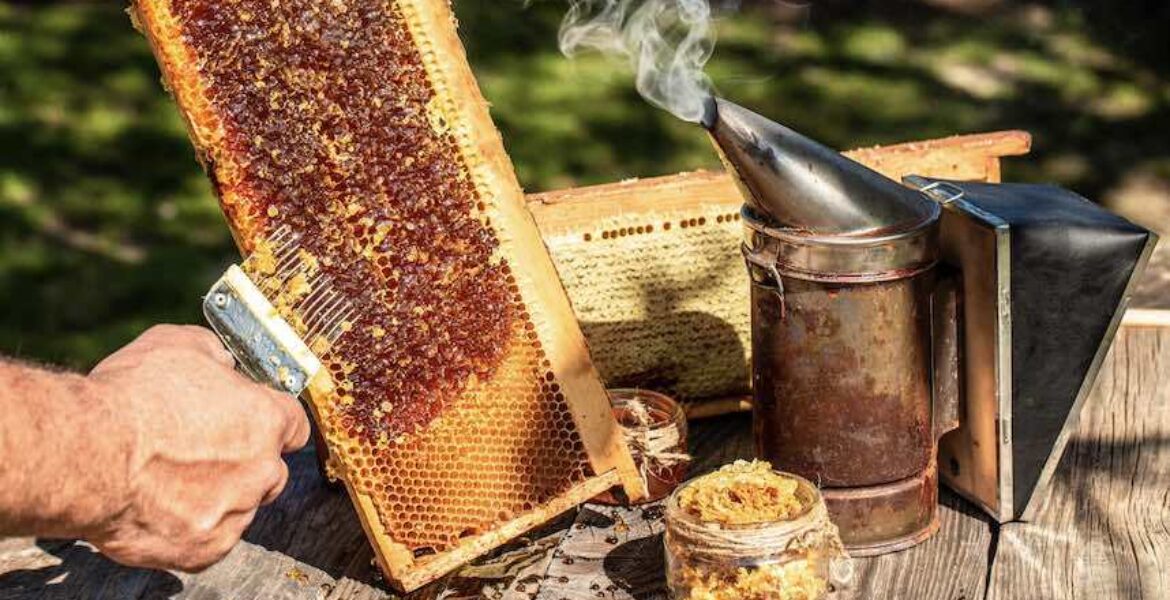
In this course, you’ll learn why people keep bees and what bees are doing at different times of the year. We’ll explore where to set up a beehive and how to choose, order, and handle package bees, including when to order them and from whom. You’ll also get to know the different types of bees in a colony—the queen, workers, and drones—and learn about the various species and subspecies commonly kept by beekeepers.
We’ll cover all the equipment you’ll use, from hive parts, frames, and foundation to the personal protective gear needed for safe beekeeping. You’ll learn how to install package bees, feed your bees, and guide your colony through a full beekeeping season.
Key topics will include swarming, nectar flow, and how to use supers during honey production. We’ll discuss major nectar and pollen sources, the role of bees in pollination, and the steps involved in harvesting and extracting honey. You’ll also learn the basics of marketing your honey and labeling your containers.
The course will prepare you to recognize and cope with diseases, parasites, and concepts of integrated pest management. We’ll look at problems such as queenless colonies, laying workers, failing queens, and how to identify a healthy worker brood pattern or a queen cell. Additional topics include preventing robbing, understanding allergic reactions to bee venom, and producing comb honey.
By the end, you’ll be confident in performing essential hive checks, solving common colony issues, and managing healthy, productive bees.